Repairing brick molding is an essential aspect of maintaining your home’s structural integrity and aesthetic value. This guide offers comprehensive insights into everything from choosing the right materials, such as exterior brick mold and cost-effective options for door casing repair, to detailed instructions on how to replace brick molding. Whether you’re looking to enhance your home’s exterior or ensure its durability, understanding how to repair brick molding is crucial.
Brick molding is more than just a decorative feature for your home; it plays an essential role in both aesthetics and functionality. Positioned around windows and doors, it helps to bridge the gap between the frame and the wall. This not only enhances the visual appeal of the home but also acts as a protective barrier, keeping water, pests, and other external elements out. By sealing these openings, brick molding safeguards the integrity of the building, preventing potential structural damage and ensuring your home stays in top condition.
Repairing brick molding is an essential aspect of maintaining your home’s structural integrity and aesthetic value. This guide offers comprehensive insights into everything from choosing the right materials, such as exterior brick mold and cost-effective options for door casing repair, to detailed instructions on how to replace brick molding. Whether you’re looking to enhance your home’s exterior or ensure its durability, understanding how to repair brick molding is crucial.
The choice of material for brick molding can significantly influence its durability and maintenance requirements:
With these options, homeowners can choose the best material that fits their climate, budget, and style preferences. Understanding the importance and functions of brick molding can guide you in making informed decisions about maintenance and replacements, ensuring your home’s exterior remains both beautiful and functional. Next, let’s examine the signs that indicate your brick molding may need repair, helping you maintain your home’s integrity and appearance effectively.
Keeping an eye on the condition of your brick molding is crucial for maintaining your home’s exterior. Here’s how you can tell when it’s time for a repair or a complete replacement.
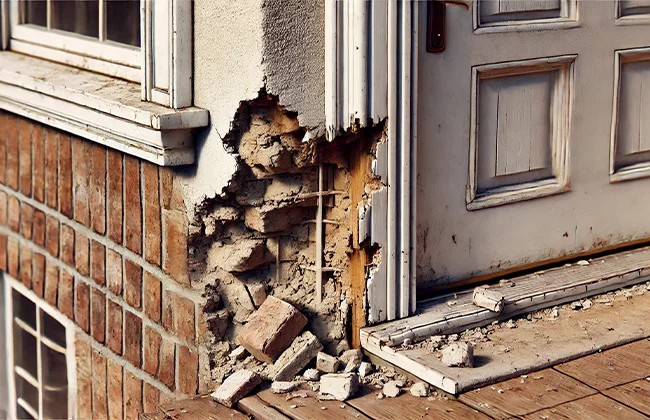
First and foremost, visible signs of wear such as cracking, chipping, or warping are clear indicators that your brick molding is deteriorating. If the paint on the molding starts to peel or if you notice any soft spots in the wood (a sign of rot), these are also red flags. Such damage not only impacts the look of your home but can also lead to more severe issues like water leakage into your walls, which could cause further damage.
Brick molding is particularly vulnerable to the elements. Prolonged exposure to moisture from rain, snow, and humidity can lead to mold and rot, especially in wood and composite materials. Similarly, extreme temperatures can cause materials like vinyl and aluminum to expand and contract, potentially leading to gaps and misalignment. Over time, even the sturdiest materials will show signs of age, manifesting as fading color, stiffness, or brittleness.
By regularly inspecting your brick molding and addressing these issues early, you can extend its lifespan and maintain the aesthetic and structural integrity of your home. Remember, addressing these signs promptly can help you decide whether a simple repair will suffice or if it’s time to replace the molding entirely to ensure your home remains protected and looks its best.
Let’s move on to making the right decision between repairing and replacing your brick molding, ensuring you choose the most cost-effective and beneficial option for your home’s needs.
Transform your home with expert masonry services. Contact us today for a free consultation.
Brick molding is more than just a decorative feature for your home; it plays an essential role in both aesthetics and functionality. Positioned around windows and doors, it helps to bridge the gap between the frame and the wall. This not only enhances the visual appeal of the home but also acts as a protective barrier, keeping water, pests, and other external elements out. By sealing these openings, brick molding safeguards the integrity of the building, preventing potential structural damage and ensuring your home stays in top condition.
Repairing brick molding is an essential aspect of maintaining your home’s structural integrity and aesthetic value. This guide offers comprehensive insights into everything from choosing the right materials, such as exterior brick mold and cost-effective options for door casing repair, to detailed instructions on how to replace brick molding. Whether you’re looking to enhance your home’s exterior or ensure its durability, understanding how to repair brick molding is crucial.
The choice of material for brick molding can significantly influence its durability and maintenance requirements:
With these options, homeowners can choose the best material that fits their climate, budget, and style preferences. Understanding the importance and functions of brick molding can guide you in making informed decisions about maintenance and replacements, ensuring your home’s exterior remains both beautiful and functional. Next, let’s examine the signs that indicate your brick molding may need repair, helping you maintain your home’s integrity and appearance effectively.
Keeping an eye on the condition of your brick molding is crucial for maintaining your home’s exterior. Here’s how you can tell when it’s time for a repair or a complete replacement.
First and foremost, visible signs of wear such as cracking, chipping, or warping are clear indicators that your brick molding is deteriorating. If the paint on the molding starts to peel or if you notice any soft spots in the wood (a sign of rot), these are also red flags. Such damage not only impacts the look of your home but can also lead to more severe issues like water leakage into your walls, which could cause further damage.
Brick molding is particularly vulnerable to the elements. Prolonged exposure to moisture from rain, snow, and humidity can lead to mold and rot, especially in wood and composite materials. Similarly, extreme temperatures can cause materials like vinyl and aluminum to expand and contract, potentially leading to gaps and misalignment. Over time, even the sturdiest materials will show signs of age, manifesting as fading color, stiffness, or brittleness.
By regularly inspecting your brick molding and addressing these issues early, you can extend its lifespan and maintain the aesthetic and structural integrity of your home. Remember, addressing these signs promptly can help you decide whether a simple repair will suffice or if it’s time to replace the molding entirely to ensure your home remains protected and looks its best.
Let’s move on to making the right decision between repairing and replacing your brick molding, ensuring you choose the most cost-effective and beneficial option for your home’s needs.
Repairing brick molding is an essential aspect of maintaining your home’s structural integrity and aesthetic value. This guide offers comprehensive insights into everything from choosing the right materials, such as exterior brick mold and cost-effective options for door casing repair, to detailed instructions on how to replace brick molding. Whether you’re looking to enhance your home’s exterior or ensure its durability, understanding how to repair brick molding is crucial.
Repairing brick molding is an essential aspect of maintaining your home’s structural integrity and aesthetic value. This guide offers comprehensive insights into everything from choosing the right materials, such as exterior brick mold and cost-effective options for door casing repair, to detailed instructions on how to replace brick molding. Whether you’re looking to enhance your home’s exterior or ensure its durability, understanding how to repair brick molding is crucial.
Transform your home with expert masonry services. Contact us today for a free consultation.
Repairing brick molding is an essential aspect of maintaining your home’s structural integrity and aesthetic value. This guide offers comprehensive insights into everything from choosing the right materials, such as exterior brick mold and cost-effective options for door casing repair, to detailed instructions on how to replace brick molding. Whether you’re looking to enhance your home’s exterior or ensure its durability, understanding how to repair brick molding is crucial.
Brick molding is more than just a decorative feature for your home; it plays an essential role in both aesthetics and functionality. Positioned around windows and doors, it helps to bridge the gap between the frame and the wall. This not only enhances the visual appeal of the home but also acts as a protective barrier, keeping water, pests, and other external elements out. By sealing these openings, brick molding safeguards the integrity of the building, preventing potential structural damage and ensuring your home stays in top condition.
Repairing brick molding is an essential aspect of maintaining your home’s structural integrity and aesthetic value. This guide offers comprehensive insights into everything from choosing the right materials, such as exterior brick mold and cost-effective options for door casing repair, to detailed instructions on how to replace brick molding. Whether you’re looking to enhance your home’s exterior or ensure its durability, understanding how to repair brick molding is crucial.
The choice of material for brick molding can significantly influence its durability and maintenance requirements:
With these options, homeowners can choose the best material that fits their climate, budget, and style preferences. Understanding the importance and functions of brick molding can guide you in making informed decisions about maintenance and replacements, ensuring your home’s exterior remains both beautiful and functional. Next, let’s examine the signs that indicate your brick molding may need repair, helping you maintain your home’s integrity and appearance effectively.
Keeping an eye on the condition of your brick molding is crucial for maintaining your home’s exterior. Here’s how you can tell when it’s time for a repair or a complete replacement.
First and foremost, visible signs of wear such as cracking, chipping, or warping are clear indicators that your brick molding is deteriorating. If the paint on the molding starts to peel or if you notice any soft spots in the wood (a sign of rot), these are also red flags. Such damage not only impacts the look of your home but can also lead to more severe issues like water leakage into your walls, which could cause further damage.
Brick molding is particularly vulnerable to the elements. Prolonged exposure to moisture from rain, snow, and humidity can lead to mold and rot, especially in wood and composite materials. Similarly, extreme temperatures can cause materials like vinyl and aluminum to expand and contract, potentially leading to gaps and misalignment. Over time, even the sturdiest materials will show signs of age, manifesting as fading color, stiffness, or brittleness.
By regularly inspecting your brick molding and addressing these issues early, you can extend its lifespan and maintain the aesthetic and structural integrity of your home. Remember, addressing these signs promptly can help you decide whether a simple repair will suffice or if it’s time to replace the molding entirely to ensure your home remains protected and looks its best.
Let’s move on to making the right decision between repairing and replacing your brick molding, ensuring you choose the most cost-effective and beneficial option for your home’s needs.
Repairing brick molding is an essential aspect of maintaining your home’s structural integrity and aesthetic value. This guide offers comprehensive insights into everything from choosing the right materials, such as exterior brick mold and cost-effective options for door casing repair, to detailed instructions on how to replace brick molding. Whether you’re looking to enhance your home’s exterior or ensure its durability, understanding how to repair brick molding is crucial.
Repairing brick molding is an essential aspect of maintaining your home’s structural integrity and aesthetic value. This guide offers comprehensive insights into everything from choosing the right materials, such as exterior brick mold and cost-effective options for door casing repair, to detailed instructions on how to replace brick molding. Whether you’re looking to enhance your home’s exterior or ensure its durability, understanding how to repair brick molding is crucial.
We have completed over numerous projects. Specializing in brick pointing, brick work, roofing, and restoration. We are impassioned about architectural design, construction, and restoration.